
Here is a question we think buyers should ask more often: how do you actually know what is in the lead alloy you just bought? Not the label. Not the seller’s word for it. The actual, verified elemental composition. If a supplier cannot answer that question with real documentation, that is worth paying attention to, especially for applications where composition genuinely matters, like radiation shielding, bullet casting, or anything with regulatory oversight.
Why Elemental Analysis Isn’t Optional for Serious Buyers
Lead alloys are defined by their composition. A Pb-Sb alloy with 2 percent antimony behaves differently than one with 6 percent. A shielding application needs verified purity, not an approximate one. A bullet casting alloy needs a reliable tin and antimony percentage so hardness comes out consistent batch after batch. None of that is possible to verify by eye or by trusting a label.
Elemental analysis is the process of actually measuring what elements, and in what percentage, make up a given piece of metal. For lead alloys, this typically covers the primary alloying elements like antimony and tin, along with trace elements and contaminants that can matter a lot depending on the application, things like arsenic, copper, bismuth, and silver, some of which are beneficial in small amounts and problematic in excess.
How OES Testing Works
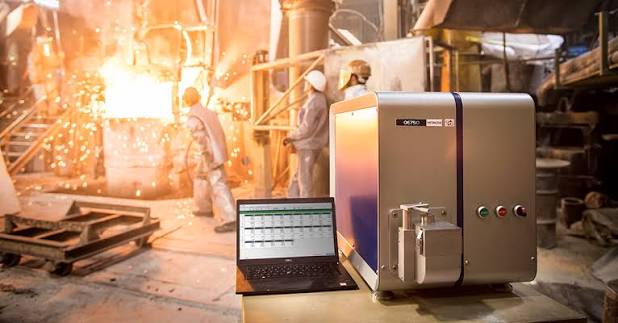
The industry standard method for this kind of verification is optical emission spectroscopy, usually just called OES. Here is the short version of how it works: a small spark is generated on the surface of a metal sample, which excites the atoms in that sample and causes them to emit light at wavelengths specific to each element. The instrument reads those wavelengths and intensities and produces a precise readout of elemental composition, often down to fractions of a percent.
OES testing is fast, accurate, and destructive only to a tiny sample spot, which makes it practical for routine quality control on production runs rather than just occasional spot checks. When a supplier tells you they run OES testing on their alloys, that means they can back up their stated composition with real, repeatable data rather than a general assurance.
Certificates of Analysis: Your Paper Trail
A certificate of analysis, often shortened to COA, is the documentation that ties a specific batch or lot of material to its actual tested composition. For any application where composition matters, and honestly that is most serious industrial uses, having a COA on file is not just nice to have. It is often required for regulatory compliance, quality audits, or simply protecting yourself if a downstream problem ever traces back to raw material composition.
If you are buying lead for shielding, battery manufacturing, custom bullet alloys, or any application with tight tolerances, always ask whether a certificate of analysis is available for your specific order. A supplier who can hand you a COA with real OES data behind it is telling you something important about how seriously they take quality control.
SDS Documentation and Why It Matters
Safety data sheets, or SDS, are a separate but equally important piece of the compliance picture. An SDS covers handling, storage, exposure risks, and safety protocols for a material, which matters enormously for something like lead given its well known health considerations. Any responsible supplier should provide current SDS documentation for every product they sell, and any responsible buyer should be asking for it as a matter of course, both for regulatory compliance and for the practical safety of anyone handling the material on site.
Custom Capability: Testing to Your Spec, Not Just Ours
Standard alloys and standard testing cover a lot of ground, but sometimes a customer needs something more specific, whether that is a custom alloy composition, testing against a particular industry or customer specification, or documentation formatted to match a specific compliance requirement. This is where custom capability becomes valuable. A supplier who can formulate an alloy to your exact hardness and composition target, then verify it with OES testing and back it up with a proper certificate of analysis, is offering something meaningfully different from someone just shipping generic ingots.
What This Means for You as a Buyer
If you take one thing away from this, let it be this: composition claims without testing behind them are just claims. For applications where it matters, and for lead, that is most applications, ask your supplier directly about their testing process. Do they run OES analysis? Can they provide a certificate of analysis for your specific order? Do they have current SDS documentation ready to go? Can they formulate and verify a custom alloy if the standard options do not fit your specification?
We built our quality process around answering yes to all of those questions, because we think that is what a real industrial supplier owes its customers. If you have a project that needs verified composition, documented testing, or a custom alloy built and confirmed to spec, reach out and we will walk you through exactly what we can provide.
This article provided a perfect, clear explanation of OES testing that I haven’t been able to find anywhere else. Thank you for the helpful breakdown of why testing and certification are so critical when purchasing lead alloys!
Thanks so much for your comment! New to blogging, glad someone is reading 🙂